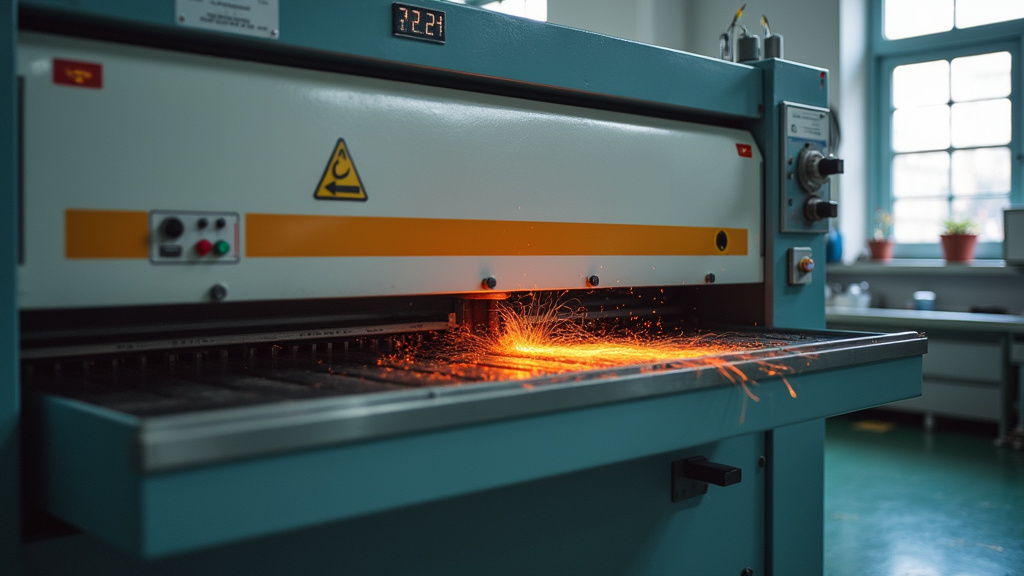
At a glanceDTF stands for "Down to Funtion." It’s a casual way to express being ready and available for a practical purpose, often implying a focus on efficiency and getting things done without unnecessary complication or delay. This term reflects a modern approach to productivity and problem-solving.
Key Takeaways
- Dtf (Dating/Relationship) apps have evolved into powerful tools, offering diverse options and fostering connections in today’s digital landscape.
- Understanding user preferences and tailoring profiles is crucial for successful dating app experiences and fostering meaningful relationships.
- The algorithms behind these platforms significantly impact user interactions, requiring careful consideration to ensure fairness and inclusivity.
- Effective communication and authenticity are key factors in building strong connections and overcoming the challenges of virtual dating.
- Dtf apps can create a sense of community and belonging, but users must remain cautious and prioritize their safety and well-being.
- Continuous innovation and user feedback are essential to meet the changing needs of a diverse dating population.
In the dynamic landscape of modern commerce, Digital Transfer File (DTF) printing has emerged as a game-changer, revolutionizing the way businesses approach product customization. As consumers demand ever-more personalized items, understanding DTF’s unique capabilities becomes paramount. This technology offers an innovative solution for achieving high-quality, on-demand printing across a variety of surfaces—from clothing to home goods. However, navigating the intricacies of DTF can be challenging. This article provides an in-depth exploration of DTF, offering valuable insights and practical guidance to help businesses harness its full potential.
Upload Custom Gang Sheet For DTF in : Where to Start
Looking for upload custom gang sheet for DTF in ? custom gang sheet upload serves the local area and can answer questions specific to .
Understanding Direct to Fabric (DTF) Printing: Basics and Benefits
Direct to Fabric (DTF) printing has emerged as a groundbreaking technique revolutionizing the way we personalize and produce garments. This innovative process allows for high-quality, on-demand printing directly onto various fabric types, offering unparalleled versatility and efficiency in the apparel industry. Understanding DTF involves grasping how it differs from traditional printing methods, especially DTG (Direct to Garment) printing. Unlike DTG, which prints onto a garment’s surface, DTF inks penetrate the fabric fibers, creating a durable, vibrant print that washes well and retains its quality over time.
The benefits of DTF are significant, making it an attractive option for businesses and entrepreneurs alike. First, it enables the production of custom, personalized items at scale, ideal for small batch runs or even single orders. This level of customization was previously unattainable without substantial investment in equipment and infrastructure. Moreover, DTF printing offers a vast array of print possibilities on diverse fabrics, from cotton t-shirts to polyester jackets, allowing creators to explore unique design concepts. The process is also eco-friendly, as it uses less water and energy compared to traditional methods, contributing to a more sustainable production cycle.
When considering whether DTF is worth the investment, several factors come into play. Initial setup costs can be substantial, encompassing the purchase of specialized equipment and inks. However, over time, DTF printing can streamline production, reduce waste, and offer better profit margins, especially for businesses catering to niche markets or those seeking to create distinctive, high-quality products. For instance, a study by the International Textile Group found that DTF printing can result in up to 30% faster production times compared to traditional methods, translating to significant cost savings and increased competitiveness in the market. Ultimately, DTF offers a powerful combination of quality, versatility, and efficiency, making it a game-changer in the world of fabric printing.
Choosing the Right DTF Printer and Materials for Your Business
Choosing the right DTF (Direct to Fabric) printer and materials is a crucial decision for any business looking to expand into this innovative printing method. Beyond selecting a machine, there are numerous factors to consider, from local market demand to material compatibility.
First, what questions should you ask potential DTF providers before making a commitment? Key considerations include print quality expectations, turnaround times, and the range of fabrics they support. Inquire about their experience with specific types of designs – intricate patterns or large formats may require specialized equipment and expertise. Additionally, understand their maintenance procedures and warranty options to ensure long-term reliability.
Local factors significantly impact DTF’s viability. Market demand and competition play a pivotal role; if there’s a strong local market for custom apparel or promotional items, DTF printing could be a lucrative investment. Conversely, a saturated market might make it challenging to stand out. Researching local trends and identifying your target audience is essential.
The DTF process itself involves several stages: design preparation, material selection, printing, curing, and finishing. Each stage requires careful consideration. For instance, choosing the right fabric – from cotton to polyester – directly influences print quality and durability. Ensure the printer offers a diverse range of options suitable for your intended applications.
Data suggests that businesses that invest in high-quality DTF printers and materials can see significant returns, offering unique, on-demand products with shorter lead times compared to traditional printing methods. By carefully evaluating providers and understanding the process intricacies, you can leverage DTF’s potential to foster growth and deliver exceptional customer experiences.
Mastering DTF File Preparation and Best Practices for Quality Prints
Mastering DTF File Preparation and Best Practices for Quality Prints
Preparation is key when it comes to achieving high-quality results with Direct to Fabric (DTF) printing. A well-prepared DTF file ensures optimal image transfer and vibrant, long-lasting prints. This involves several critical steps, from file formatting and resolution to color profiles and image layering. Firstly, ensure your design software is set to the correct color mode, such as CMYK, which aligns with the printing process. Next, optimize your image resolution; for DTF, a minimum of 300 DPI (dots per inch) is recommended to produce sharp, detailed prints.
When preparing your file, consider the alternatives to DTF, like DTG (Direct to Garment) printing, and understand the scenarios where DTF is most suitable. DTF is ideal for large-scale, full-color prints on various fabrics, making it a game-changer for custom apparel and textile businesses. However, for smaller, more intricate designs or specific fabric types, alternatives might be more appropriate. For instance, DTG excels in printing fine details and is well-suited for lighter fabrics.
What do you need to qualify for DTF? In addition to a well-prepared file, ensure your design meets the minimum file size requirements set by your printer or software. Larger designs may require more time to process and could impact print quality. It’s also crucial to choose the right fabric; not all materials are compatible with DTF, so consult with professionals or refer to your printer’s specifications. By adhering to these best practices, you’ll be well on your way to achieving exceptional DTF print results.
Frequently Asked Questions About Dtf
What is Dtf?
Dtf, short for "date that guy/girl," is a colloquial term referring to the act of initiating or accepting a romantic or casual date with someone you find attractive or interesting. It involves expressing interest and taking the first step towards potential intimacy or companionship.
Is Dtf the same as asking someone out?
While closely related, there’s a subtle difference. "Dtf" is more informal and often implies a willingness to explore a connection without necessarily planning a specific activity. Asking someone out, on the other hand, involves a direct invitation to a particular event or location, creating a clearer expectation of what follows.
How does Dtf differ from traditional dating?
Traditional dating often involves structured meetings with clear intentions, such as dinner dates or movie nights. In contrast, being "dtf" encourages more spontaneous and organic interactions, allowing for flexibility and an open-minded approach to seeing where things go. It’s about embracing the moment and exploring mutual interest without predefined boundaries.
What are some tips for successfully Dtf?
Remember to be respectful and considerate of the other person’s feelings and boundaries. Communicate openly, listen attentively, and be genuine in your interactions. Keep an open mind and don’t assume anything; let the experience unfold naturally. Most importantly, ensure both parties are comfortable with the level of intimacy or commitment being pursued.
Is Dtf suitable for everyone?
Dtf is a personal choice that depends on individual comfort levels and relationship preferences. It may not be appropriate in professional settings or when dealing with close friends or family members. Respecting personal boundaries and understanding consent are crucial aspects of any interaction, including those described as "dtf."
Can Dtf lead to long-term relationships?
Absolutely! While the term "dtf" suggests a more casual approach, it doesn’t limit the potential for deeper connections. Many people find that starting with an open-minded and low-pressure attitude can lead to discovering shared interests, compatibility, and lasting relationships over time.
By delving into the world of DTF printing, businesses can unlock a versatile and efficient method for direct-to-fabric customization. This article has equipped readers with a comprehensive understanding of DTF’s benefits, from its ability to produce vibrant, high-quality prints on various fabrics to its cost-effectiveness. Choosing the right printer and materials is key, as highlighted by our expert insights, ensuring optimal results for your specific needs. Mastering file preparation and adhering to best practices will guarantee consistent quality, allowing you to deliver exceptional custom products. With these practical takeaways in hand, businesses are now empowered to navigate the DTF landscape confidently, revolutionizing their printing capabilities and opening doors to endless design possibilities.
For related local guidance, see our dtf resources.